US Plant Patent PP17767
Dongfangshan
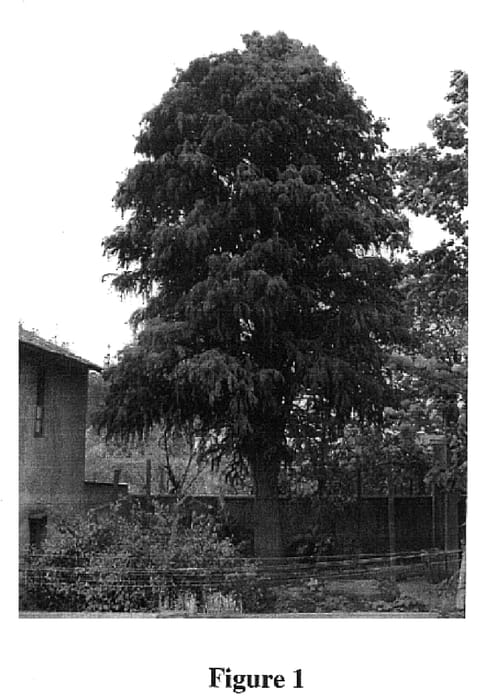
×Taxodiomeria peizhongii tree named ‘Dongfangshan’
PUBLIC DOMAIN
Patent expired September 15, 2024. This plant is in the public domain — anyone may propagate and sell it.
No term adjustment or disclaimer is recorded against this patent, so this is the full statutory term — twenty years from the filing date.
The record
- Patent number
- PP17767
- Filed
- September 15, 2004
- Granted
- May 29, 2007
- Expires
- September 15, 2024
- Assignee
- SHANGHAI FORESTRY STATION
- Inventor
- ZENGJI YE; LIEYING SHEN; SHIHUA PAN; WEIJIE ZHU; HUIJUAN NIU
Abstract
× Taxodiomeria peizhongii is a distinct and new above ground nontubular propagated cultivar comprising a tall semi-indeciduous arbor tree providing a high view. × Taxodiomeria peizhongii is well suited for afforestation in the city and has many good properties such as fast growth, wide adaptability and strong stress resistance. Its main characteristics include: (1) its base of stem is round and regular without buttress roots; (2) its bark cracks into flakes; (3) there are several main crotches five to eight meters above ground, and its canopy is nearly elliptic shape; (4) there are only male conglobate flower and no female conglobate fruit on the adult tree, and it cannot reproduce with sexual propagation manner. It possesses additional good properties including enhanced saline tolerance (salt content is below about 3.9%), alkali tolerance (7≦pH≦8.9), moisture resistance and good (pleasing visual) landscape effect.
Show the legal claimThe single numbered claim as granted — the legal text that defines what this patent covers.
1. A new and distinct variety of × Taxodiomeria peizhongii tree named ‘Dongfagshan’ as illustrated and described herein.
Read the full patent: US Plant Patent PP17767 in full — the complete specification, every figure, and the file history.