US Plant Patent PP34556
Always Hope
Shrub rose plant named ‘Always Hope’
UNDER PATENT
Still under patent. Protection ends September 24, 2041.
No term adjustment or disclaimer is recorded against this patent, so this is the full statutory term — twenty years from the filing date.
The record
- Patent number
- PP34556
- Filed
- September 24, 2021
- Granted
- September 13, 2022
- Expires
- September 24, 2041
- Assignee
- SHOUP GEORGE MICHAEL
- Inventor
- SHOUP GEORGE MICHAEL
Abstract
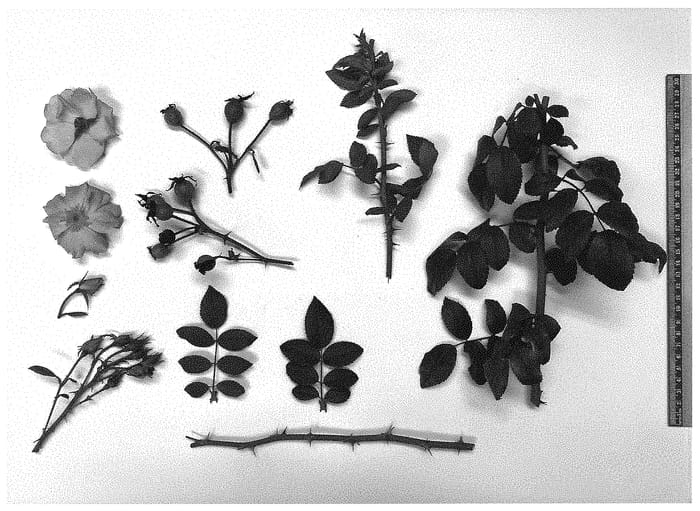
A new and distinct variety of shrub rose plant, herein referred to by its cultivar name, ‘Always Hope’, is provided which abundantly, substantially, and continuously forms exceptionally large displays of semi-double pink colored blooms. The growth habit is rounded and bushy. The foliage is smooth, and dark green with a slightly waxy finish. The plant propagates from cuttings easily, has a unique characteristic of consistently producing an exceptional amount of rose hips. The new variety is well suited for growing as a wildlife attractor, as a hedge, and as a source of attractive ornamentation in the landscape.
Show the legal claimThe single numbered claim as granted — the legal text that defines what this patent covers.
I claim: 1. A new and distinct variety of shrub rose plant named ‘Always Hope’ characterized by the following combination of characteristics: (a) abundantly, substantially, and continuously forms large displays of pink colored blooms, (b) exhibits an exceptionally high bloom to foliage ratio when blossoming, (c) exhibits a bushy and round growth habit, (d) exhibits an exceptional amount of fruit (i.e., rose hip) production, (e) forms disease resistant foliage with a smooth and glossy finish, and (f) is well suited for growing as a wildlife attractor, a hedge, and as a source of attractive ornamentation in the landscape. substantially as illustrated and described herein.
Read the full patent: US Plant Patent PP34556 in full — the complete specification, every figure, and the file history.