US Plant Patent PP14453
Aidfievate
Pawpaw tree named ‘Aidfievate’
PUBLIC DOMAIN
Patent expired September 17, 2021. This plant is in the public domain — anyone may propagate and sell it.
No term adjustment or disclaimer is recorded against this patent, so this is the full statutory term — twenty years from the filing date.
The record
- Patent number
- PP14453
- Filed
- September 17, 2001
- Granted
- January 13, 2004
- Expires
- September 17, 2021
- Inventor
- PETERSON ROBERT NEAL
Abstract
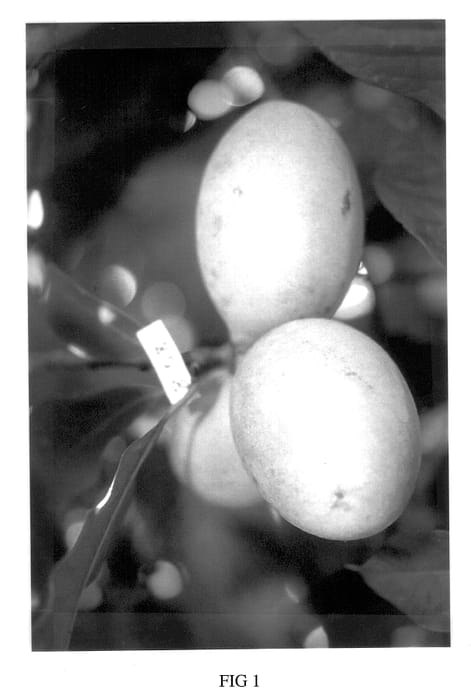
Disclosed herein is a new and distinct variety of pawpaw tree, which has been given the name ‘Aidfievate.’ This variety is distinguished by good yields (atypical of pawpaw), by excellent harvesting characteristics and by good fruit quality. The leaf aspect is unique among pawpaws, being horizontal rather than drooping, which allows fruit to be more easily seen and picked. Fruit display a dependable, readily visible color break at ripeness which speeds picking. The number of fruit per cluster is low, often in singles, which simplifies harvest. Fruit quality is high as fruit are medium to large in size with a low seed-to-fruit ratio, are very consistent in size and shape, and possess a very good flavor. Skin is medium-thick and fruit texture is firm which helps in shipping and handling. This variety is one of three varieties newly identified as having potential to establish a commercial pawpaw industry.
Show the legal claimThe single numbered claim as granted — the legal text that defines what this patent covers.
I claim: 1. A new and distinct variety of pawpaw tree obtained as an open-pollinated seedling of BEF-30 (unpatented), substantially as shown and described herein.
Read the full patent: US Plant Patent PP14453 in full — the complete specification, every figure, and the file history.