US Plant Patent PP21937
Sweetcot II
Interspecific tree named ‘Sweetcot II’
UNDER PATENT
Still under patent. Protection ends December 24, 2029.
No term adjustment or disclaimer is recorded against this patent, so this is the full statutory term — twenty years from the filing date.
The record
- Patent number
- PP21937
- Filed
- December 24, 2009
- Granted
- May 31, 2011
- Expires
- December 24, 2029
- Assignee
- BRADFORD LOWELL GLEN
- Inventor
- BRADFORD LOWELL GLEN
Abstract
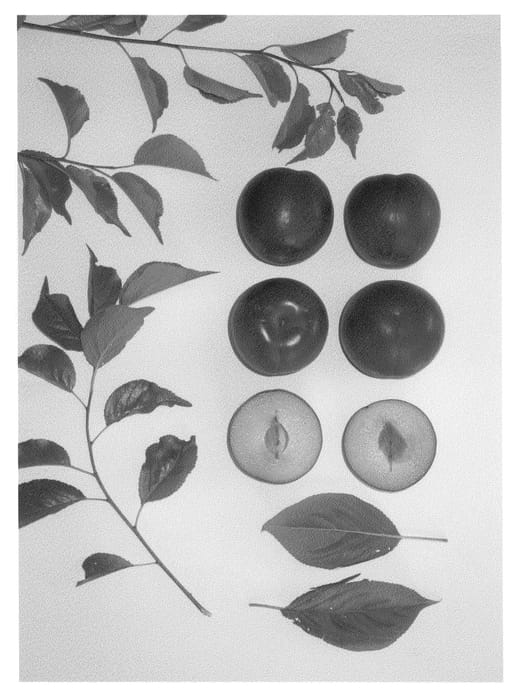
The present invention relates to an interspecific tree and more particularly to a new and distinct variety broadly characterized by a medium size, moderately vigorous, and hardy tree with apricot type leaves. Being self-unfruitful, the present variety requires cross pollinization from an apricot that blooms during the early season, such as ‘Castlebrite’ (unpatented). The present variety is pollen deficient and does not attract bees, so the pollinator must be placed in very close proximity. The fruit matures under the ecological conditions described during the last week in May, with first picking on May 24, 2009. The fruit is medium in size, full red in skin color, freestone in type, orange yellow in flesh color, firm in texture, sweet in flavor, and has skin pubescence.
Show the legal claimThe single numbered claim as granted — the legal text that defines what this patent covers.
1. A new and distinct variety of interspecific Prunus sp. tree, substantially as illustrated and described, that is most similar to ‘Royal Velvet’ (U.S. Plant Pat. No. 7,431) Plum-apricot hybrid tree by being self-unfruitful, by having apricot type leaves, by producing very little pollen, and by producing fruit that ripens in the early season and that is globose in shape, orange yellow in flesh color, full red in skin color, pubescent in skin surface, and quite juicy, but is distinguished therefrom by producing fruit that is larger in size, firmer in texture, freestone instead of clingstone, and that has a bitter tasting kernel instead of sweet.
Read the full patent: US Plant Patent PP21937 in full — the complete specification, every figure, and the file history.