US Plant Patent PP13530
Early Dapple
Interspecific tree named: ‘Early Dapple’
PUBLIC DOMAIN
Patent expired January 15, 2022. This plant is in the public domain — anyone may propagate and sell it.
No term adjustment or disclaimer is recorded against this patent, so this is the full statutory term — twenty years from the filing date.
The record
- Patent number
- PP13530
- Filed
- January 15, 2002
- Granted
- January 28, 2003
- Expires
- January 15, 2022
- Inventor
- ZAIGER GARY NEIL; GARDNER LEITH MARIE; ZAIGER GRANT GENE
Abstract
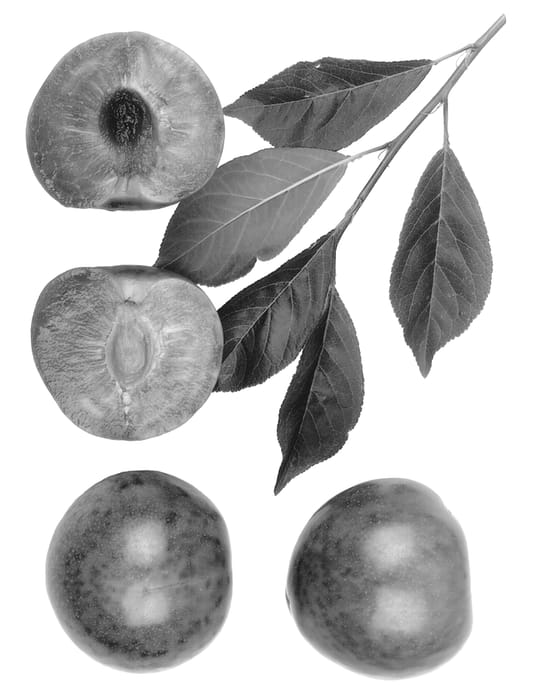
A new and distinct interspecific tree [(Plum×Plumcot)×(Apricot×(Plum×Plumcot)]; the characteristics of the tree and its fruit are with the tree budded on ‘Nemaguard’ Rootstock (non-patented) and grown on Handford sandy loam soil with Storie Index rating 95, in USDA Zone 9, near Modesto, Calif., using standard commercial cultural fruit growing practices such as pruning, thinning, spraying, irrigation and fertilization. Its novelty consists of the following combination of desirable features: 1. Heavy and regular production of fruit. 2. Fruit with very good flavor and eating quality. 3. Fruit with and interesting and attractive mottled skin color. 4. Vigorous upright tree growth. 5. Fruit with high Brix (soluble solids) average 16.4°.
Show the legal claimThe single numbered claim as granted — the legal text that defines what this patent covers.
We claim: 1. A new and distinct variety of interspecific tree, substantially as illustrated and described, characterized by its medium to large size, vigorous upright growth and a productive and regular bearer of large clingstone fruit with good eating quality; and in comparison to the Interspecific ‘Flavor Supreme’ (U.S. Plant Pat. No. 6,763), the fruit is larger, more uniform in size and 8 to 9 days later in maturity.
Read the full patent: US Plant Patent PP13530 in full — the complete specification, every figure, and the file history.