US Plant Patent PP17997
Otisco
Fast-growing willow shrub named ‘Otisco’
PUBLIC DOMAIN
Patent expired January 29, 2026. This plant is in the public domain — anyone may propagate and sell it.
Twenty years from the filing date would end on October 6, 2025. This patent earned 115 days of term adjustment for delay at the Patent Office, which is why it runs longer.
The record
- Patent number
- PP17997
- Filed
- October 6, 2005
- Granted
- September 11, 2007
- Expires
- January 29, 2026
- Assignee
- UNIV NEW YORK STATE RES FOUND
- Inventor
- ABRAHAMSON LAWRENCE P; KOPP RICHARD F; SMART LAWRENCE B; VOLK TIMOTHY A
Abstract
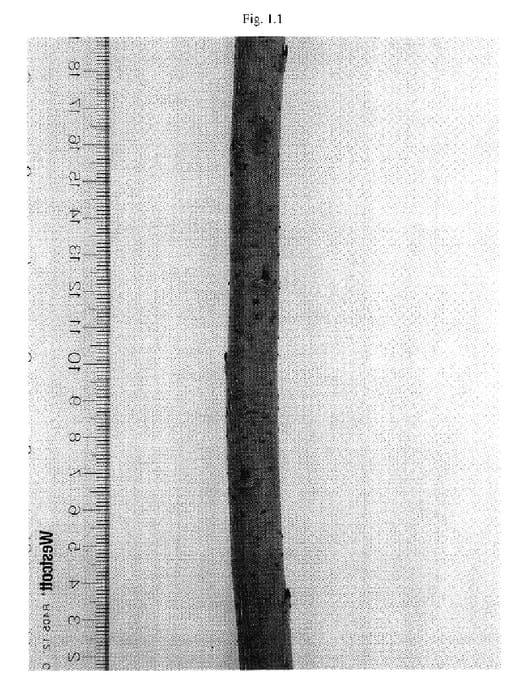
A distinct female cultivar of Salix viminalis×S. miyabeana named ‘Otisco’, characterized by rapid stem growth producing greater than 42% more woody biomass than one of its parents (‘SX64’) and 33% more biomass than a current production cultivar (‘SV1’). ‘Otisco’ produced greater than 2.5-fold more stem biomass than two other current production cultivars, ‘SX67’ and ‘SX61’. ‘Otisco’ can be planted from dormant stem cuttings, produces multiple stems after coppice, and the stem biomass can be harvested when the plant is dormant. In the spring following harvest, the plant will re-sprout very vigorously, producing new stems that can be harvested after two to four years of growth. This harvest cycle can be repeated several times. The stem biomass can be chipped and burned as a source of renewable energy, generating heat and/or electricity. ‘Otisco’ displays a low incidence of rust disease and is not damaged by potato leafhoppers.
Show the legal claimThe single numbered claim as granted — the legal text that defines what this patent covers.
1. A new and distinct variety of a Salix viminalis×S. miyabeana plant substantially as illustrated and described herein.
Read the full patent: US Plant Patent PP17997 in full — the complete specification, every figure, and the file history.