US Plant Patent PP24129
Centerton One
Daylily plant named ‘Centerton One’
UNDER PATENT
Still under patent. Protection ends May 2, 2032.
Twenty years from the filing date would end on August 26, 2031. This patent earned 250 days of term adjustment for delay at the Patent Office, which is why it runs longer.
The record
- Patent number
- PP24129
- Filed
- August 26, 2011
- Granted
- December 31, 2013
- Expires
- May 2, 2032
- Assignee
- BLEWLINE NURSERY INC, APPS DARREL A
- Inventor
- APPS DARREL A
Abstract
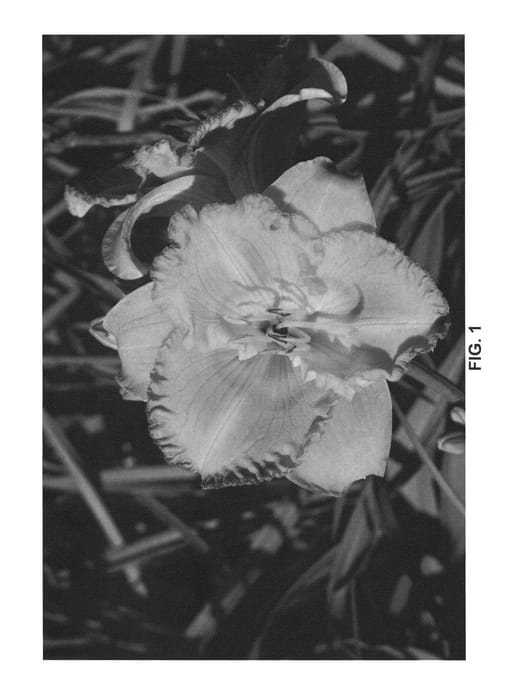
A new and distinct Hemerocallis cultivar of the dormant type is provided. The new cultivar is very floriferous and forms attractive ruffled bright orange flowers with a deeper orange eyezone displaying substantial substance, and a funnel-shaped form over an extended period of time. In U.S.D.A. Hardiness Zone No. 6, blooming commonly begins during June and commonly ends during mid-September. The new cultivar displays a plurality of fans and a plurality of scapes per fan. In excess of 20 buds commonly are formed per scape. The new cultivar is well suited for growing as distinctive colorful ornamentation in the landscape.
Show the legal claimThe single numbered claim as granted — the legal text that defines what this patent covers.
I claim: 1. A new and distinct cultivar of Hemerocallis plant of the dormant type, substantially as herein shown and described, which: (a) forms attractive ruffled bright orange flowers with a deeper orange eyezone having substantial substance, and a funnel-shaped form, (b) possesses a long blooming season with substantially multiple repeat blooming, (c) exhibits a propensity to readily display a plurality of fans, (d) readily forms a plurality of scapes per fan over the flowering season, and (e) commonly forms in excess of 20 buds per scape; substantially as illustrated and described.
Read the full patent: US Plant Patent PP24129 in full — the complete specification, every figure, and the file history.