US Plant Patent PP29232
Proory
Coreopsis plant named ‘Proory’
UNDER PATENT
Still under patent. Protection ends December 31, 2035.
No term adjustment or disclaimer is recorded against this patent, so this is the full statutory term — twenty years from the filing date.
The record
- Patent number
- PP29232
- Filed
- December 31, 2015
- Granted
- April 10, 2018
- Expires
- December 31, 2035
- Assignee
- PROBST DARRELL R
- Inventor
- PROBST DARRELL R
Abstract
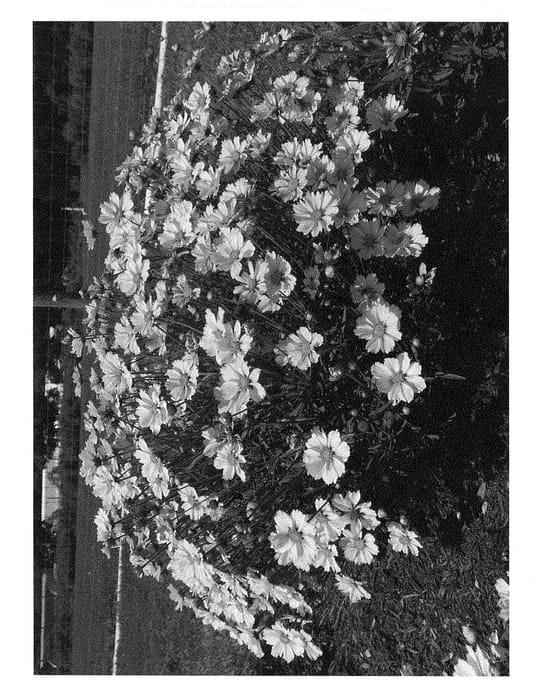
The present Coreopsis variety was created during a controlled plant breeding program. A vigorous, compact and bushy growth habit is displayed. Attractive, large cream-colored flowers are displayed with the ray florets having a burgundy red eye zone and burgundy red suffusion throughout the ray florets during cooler growing conditions. The green foliage coloration contrasts nicely with the lighter blossom coloration. Excellent resistance to powdery mildew has been displayed during observations to date. The plant is a perennial and has been observed to be hardy to at least U.S.D.A. Hardiness Zone No. 5. The plant can be grown to advantage as attractive ornamentation in parks, gardens, and residential settings.
Show the legal claimThe single numbered claim as granted — the legal text that defines what this patent covers.
I claim: 1. A new and distinct Coreopsis plant having the following combination of characteristics: (a) displays a compact and bushy growth habit, (b) displays attractive large cream-colored flowers with the ray florets exhibiting a burgundy red eye zone and burgundy red suffusion throughout the ray florets during cooler growing conditions, (c) exhibits excellent resistance to powdery mildew, and (d) is hardy to at least U.S.D.A. Hardiness Zone No. 5; substantially as illustrated and described.
Read the full patent: US Plant Patent PP29232 in full — the complete specification, every figure, and the file history.