US Plant Patent PP19433
Radmor
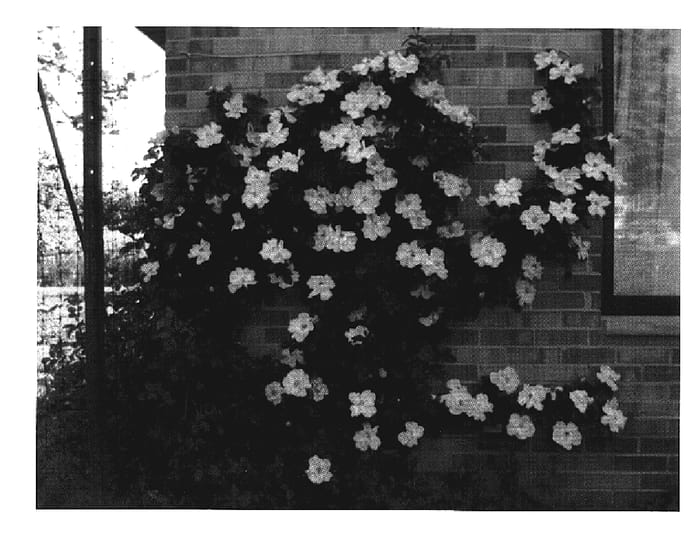
Climbing rose plant named ‘Radmor’
UNDER PATENT
Still under patent. Protection ends October 10, 2027.
No term adjustment or disclaimer is recorded against this patent, so this is the full statutory term — twenty years from the filing date.
The record
- Patent number
- PP19433
- Filed
- October 10, 2007
- Granted
- November 11, 2008
- Expires
- October 10, 2027
- Assignee
- CP DELAWARE INC
- Inventor
- RADLER WILLIAM J
Abstract
A new and distinct variety of rose plant is provided which forms in abundance on a substantially continuous basis attractive cuplike semi-double blossoms that are soft pink and finish to shell pink in coloration. The vegetation is vigorous and the growth habit is upright and climbing. Attractive ornamental green foliage having a semi-glossy appearance is formed. Excellent resistance with respect to blackspot is displayed. The hardiness of the new variety is excellent for a climber. The new variety is particularly well suited for growing as distinctive ornamentation in parks, gardens, and residential settings.
Show the legal claimThe single numbered claim as granted — the legal text that defines what this patent covers.
1. A new and distinct climbing rose plant characterized by the following combination of characteristics: (a) abundantly and substantially continuously forms attractive semi-double cuplike blossoms that are soft pink and finish to shell pink in coloration, (b) exhibits an upright and climbing growth habit, (c) forms vigorous vegetation, (d) abundantly forms attractive ornamental green foliage with a semi-glossy appearance, (e) exhibits excellent resistance to blackspot, and (f) exhibits excellent cold hardiness; substantially as herein shown and described.
Read the full patent: US Plant Patent PP19433 in full — the complete specification, every figure, and the file history.